

Department of Information Technology
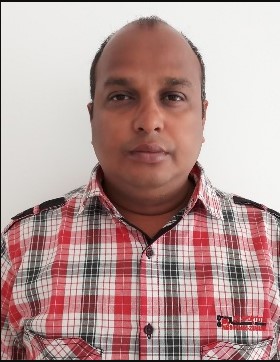
Head of the Department: GIRIJA PRASAD SWAIN
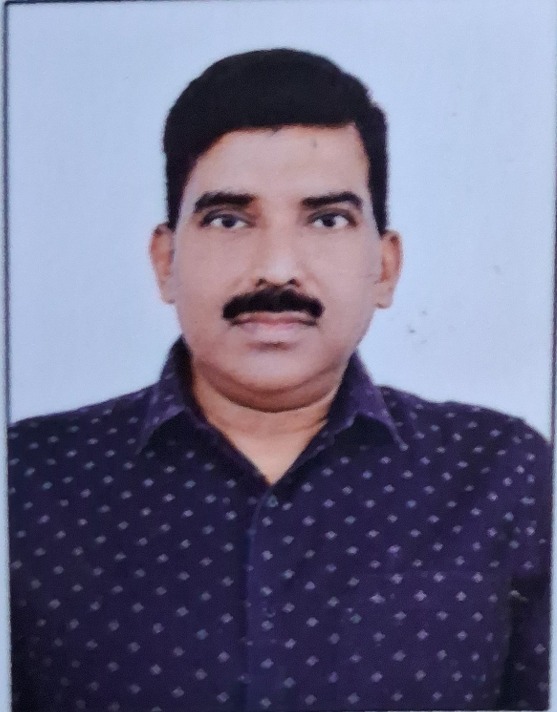
| Designation | HOD I/C in Information Technology |
| Qualification | MCA |
| Experience | 28 Years |
| Contact No | 9861427995 |
| girija5feb@gmail.com |
Department Overview:
The Information Technology (IT) Branch at Bhubanananda College of Engineering had been established since the year 2001 and is a specialized academic department focused on providing students with the technical knowledge and practical skills required in the field of information technology. This branch offers a Diploma in Information Technology (DIT) which equips students with foundational and advanced concepts in computing, networking, programming, software development, and digital technologies.
Key Aspects Covered:
- Curriculum and Specializations:
- The curriculum is designed to provide a balance between theoretical knowledge and hands-on experience. Topics commonly covered include:
- Computer Programming: Languages such as C, C++, Java, Python, and more.
- Database Management: Relational databases, SQL, and data management tools.
- Networking: Concepts of computer networks, internet protocols, and network administration.
- Operating Systems: Understanding various operating systems like Windows, Linux, and macOS.
- Software Engineering: Concepts of software development, design patterns, and project management.
- Web Development: Front-end and back-end technologies, HTML, CSS, JavaScript, and server-side scripting.
- Cybersecurity: Basics of securing networks, systems, and data.
- The curriculum is designed to provide a balance between theoretical knowledge and hands-on experience. Topics commonly covered include:
The program may also offer specializations in areas like cloud computing, mobile app development, and IT project management.
- Skills Development: The IT branch emphasizes both technical and soft skills development:
- Technical Skills: Students learn how to write code, troubleshoot hardware and software problems, design networks, and develop applications.
- Problem-Solving: Courses focus on logical thinking, debugging, and creating efficient algorithms.
- Teamwork and Communication: Group projects and presentations help students improve their collaboration and communication skills, which are critical in the workplace.
- Industry-Relevant Skills: Exposure to current technologies such as IoT, Big Data, and cloud platforms.
- Practical Experience:
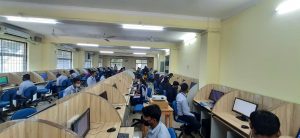
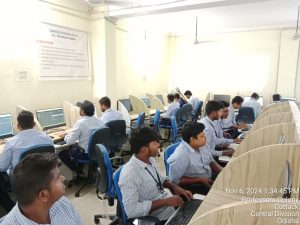
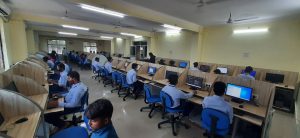
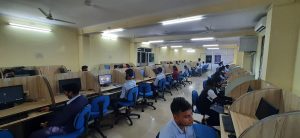
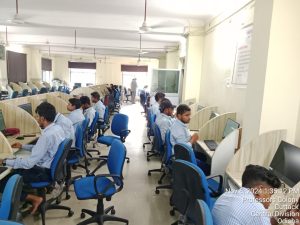
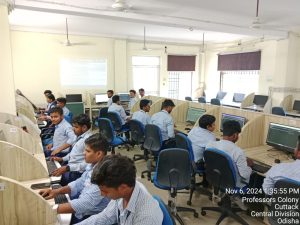
- Laboratories: The IT department is typically equipped with modern computer labs where students work on real-world projects and simulations.
- Internships: Many diploma colleges partner with tech companies, offering students the opportunity to intern and gain hands-on industry experience.
- Workshops and Seminars: Guest lectures and workshops by industry professionals allow students to stay updated with the latest trends in technology.
- Industry Integration: The IT branch often has collaborations with tech companies, giving students access to resources such as certifications, job placements, and cutting-edge technology. These partnerships enhance the relevance of the program and increase the employability of its graduates.
- Future Prospects: With the growing reliance on technology across all industries, the demand for IT professionals continues to rise. The IT branch prepares students not just for entry-level positions, but also for further academic pursuits in IT, including bachelor’s degrees and certifications in specialized areas of technology.
Vision:
To equip our students with productive technical skills in the Information Technology area and effective interpersonal skills to facilitate the process of increasing their employability.
Missions:
- M1: Enabling development of analytical skills, software design know-how, implementation proficiency and testing competency related to Information technology arena.
- M2: Facilitating professional efficiency, positive attitude, communication skills, team spirit, and entrepreneurial capabilities in response to the latest trends in Information technology arena
- M3: To prepare the students for admission into B.Tech Courses or successful employment in industry / business or creating self-employment options.
Program Educational Objectives (PEOs):
- PEO1: Provide socially, academically and commercially utilitarian, empowering and functional software solutions for solving various social, academic, governmental, commercial and enterprise related problems
- PEO2: Apply modern-day Information technology related concepts, techniques and technologies while developing cutting-edge software solutions.
- PEO3: Resolve problems individually as well as while being part of a team by communicating effectively and adapting professional ethics at work-projects.
Program Outcomes (POs):
- PO1: Basic and Discipline specific knowledge: Apply knowledge of basic mathematics, science and engineering fundamentals and engineering specialization to solve the engineering problems.
- PO2: Problem analysis: Identify problems and analyze software requirements using well-defined software standards
- PO3: Design/ development of solutions: Effective planning to create prototypes and then use the results to create effective software solutions
- PO4: Engineering Tools, Experimentation and Testing: Apply relevant Information Technology concepts, techniques and tools with an understanding of the limitations to conduct standard verifications and validations
- PO5: Engineering practices for society, sustainability and environment: Apply appropriate Information technology concepts for societal upliftment, enhancing sustainability, environment betterment and ethical practices
- PO6: Project Management:Function effectively in individual capacity as well as a team member in multidisciplinary team, communicate effectively in oral and written form as well as comply with ethical principles
- PO7: Life-long learning: Ability to analyse individual needs and engage in updating in the context of technological changes
Program Specific Outcomes (PSOs):
- PSO1: Acquire software knowledge and implement them to create effective software solutions
- PSO2: Apply acquired skills in software development, software maintenance, software testing, network management and application security.
Courses & Syllabus of Information Technology:
| Sl. no | Title | Download |
|---|---|---|
| 1 | 3rd IT Syllabus Semester |  |
| 2 | 4th IT Syllabus Semester | |
| 3 | 5th IT Syllabus Semester | |
| 4 | 6th IT Syllabus Semester | |
Laboratories of Information Technology:
COMPUTER CENTER -2 LAB
1. DATA STRUCTURE LAB
2. OBJECT ORIENTED PROGRAMMING USING JAVA
3. OPEARTING SYSTEM LAB
4. NETWORKING LAB
5. DATABASE MANAGEMENT SYSTEM LAB
6. WEB DEVELOPMENT LAB
7. PYTHON LAB
8. NETWORK SECURITY LAB
DIGITAL ELECTRONICS LAB
1. DIGITAL ELECTRONICS LAB
2. COMPUTER HARDWARE LAB
INTERNET OF THINGS LAB
1 .AIR QUALITY MONITORING SOLUTION
2. REAL TIME WORKING DEMO MODEL OF IOT LIGHTING
3. ENERGY MONITORING SOLUTION
COMPUTER CENTER -1 LAB
1. INTRODUCTION TO IT SYSTEM
2. C & WD LAB
Student Corner of Information Technology:
Workshops/Seminars of Information Technology:


Lab Manuals of Information Technology:
| Sl. no | Title | Download |
|---|---|---|
| 1 | 3rd Sem Data Structure Lab | |
| 2 | 3rd Sem Digital Electronics Lab | |
| 3 | 3rd Sem Object Oriented Programming Lab | |
| 4 | DE LAB MANUAL | |
| 5 | DS-EXPERIMENT MANUAL | |
| 6 | OFFICE AUTOMATION | |
| 7 | OOM | |
| 8 | DBMS | |
| 9 | NT LAB MANUAL | |
| 10 | OS ALL LAB | |
| 11 | MPMC LAB MANUAL | |
| 12 | CGM MANUAL | |
| 13 | PYTHON LAB MANUAL | |
| 14 | WD | |
| 15 | IOT | |
| 16 | NS | |
Projects of Information Technology:
| Sl. no | Title | Download |
|---|---|---|
| 1 | PROJECT 20-21 | |
| 2 | PROJECT 21-22 | |
| 3 | PROJECT 22-23 | |
| 4 | PROJECT 23-24 | |
Faculties of Information Technology
|
|
|

|

|

Staffs of Information Technology

|
|
